
What Can You Put in a Dumpster Rental? Your 2026 Guide
You’ve got a pile of demo debris growing by the hour, the dumpster is either on site or arriving soon, and somebody on the crew is already asking if they can toss in paint cans, an old mini fridge, and a muddy wheelbarrow full of concrete washout. That’s usually when jobs start getting expensive.
Knowing what can you put in a dumpster rental isn’t just about following rules. It affects pickup, landfill acceptance, recycling, safety on site, and whether you get hit with fees after the container leaves. On construction jobs, one bad load can stall cleanup and create a paperwork problem you didn’t need.
That matters because the waste volume is huge. In the United States, the construction and demolition sector generates approximately 600 million tons of waste annually, which accounts for about 40% of the nation’s total municipal solid waste stream according to EPA-based figures summarized by Redbox+. Dumpsters are one of the main tools crews use to keep that mess contained and moving.
The trick is simple in theory and easy to mess up in practice. Dry, solid, non-hazardous debris usually goes in. Liquids, regulated materials, and anything that can leak, ignite, or contaminate the load usually stays out. The gray area is where crews get burned, especially with concrete slurry, partially used products, and mixed heavy debris.
Your Guide to Dumpster Rental Rules
Most dumpster problems start with assumptions. Someone sees an open-top roll-off and treats it like a giant catch-all. It’s not. A dumpster is a hauling container tied to transport rules, landfill rules, and local disposal requirements. If the load isn’t safe to move or accepted at the receiving facility, the container can sit, get rejected, or come back with extra charges attached.
On a basic cleanout, the rules are straightforward. Old furniture, broken shelving, carpet, drywall, lumber offcuts, and general junk are usually fine. On a jobsite, the decision tree gets tighter because construction waste streams are more varied. You may have wood, drywall dust, roofing tear-off, packaging, masonry, sealants, adhesives, and cleanup residue all showing up at once.
The question behind the question
When people ask what can you put in a dumpster rental, they’re usually asking three different things:
- What will the hauler accept
- What will the landfill or recycler accept
- What can I load without creating a safety or compliance problem
Those aren’t always the same answer.
Practical rule: If a material is wet, leaking, pressurized, chemically active, or needs special handling, stop and verify it before it touches the dumpster.
Crews that stay out of trouble do one thing well. They separate waste early. They don’t wait until the end of the day when everything is mixed together and nobody wants to sort it.
What works on real jobs
A good setup usually includes one dumpster for general debris and separate handling for anything questionable. That can mean staging appliances until refrigerants are dealt with, setting aside batteries and lamps, or using dedicated containment for concrete washout instead of treating it like dry rubble.
That extra organization feels slower for about ten minutes. After that, the site runs cleaner, pickup goes smoother, and nobody has to dig through a loaded box looking for the one item that shouldn’t be there.
What Is Generally Allowed in a Dumpster
For most rentals, the easy answer is this. Dry, solid, non-hazardous waste is generally allowed. That covers a lot of what comes off a home remodel, tenant turnover, garage cleanout, or standard construction site.
Industry guidance commonly allows household junk, furniture, appliances after Freon removal, remodeling debris such as drywall, flooring, and shingles, plus yard waste like branches, leaves, and stumps, as outlined by Dumpsters.com’s prohibited items guide.
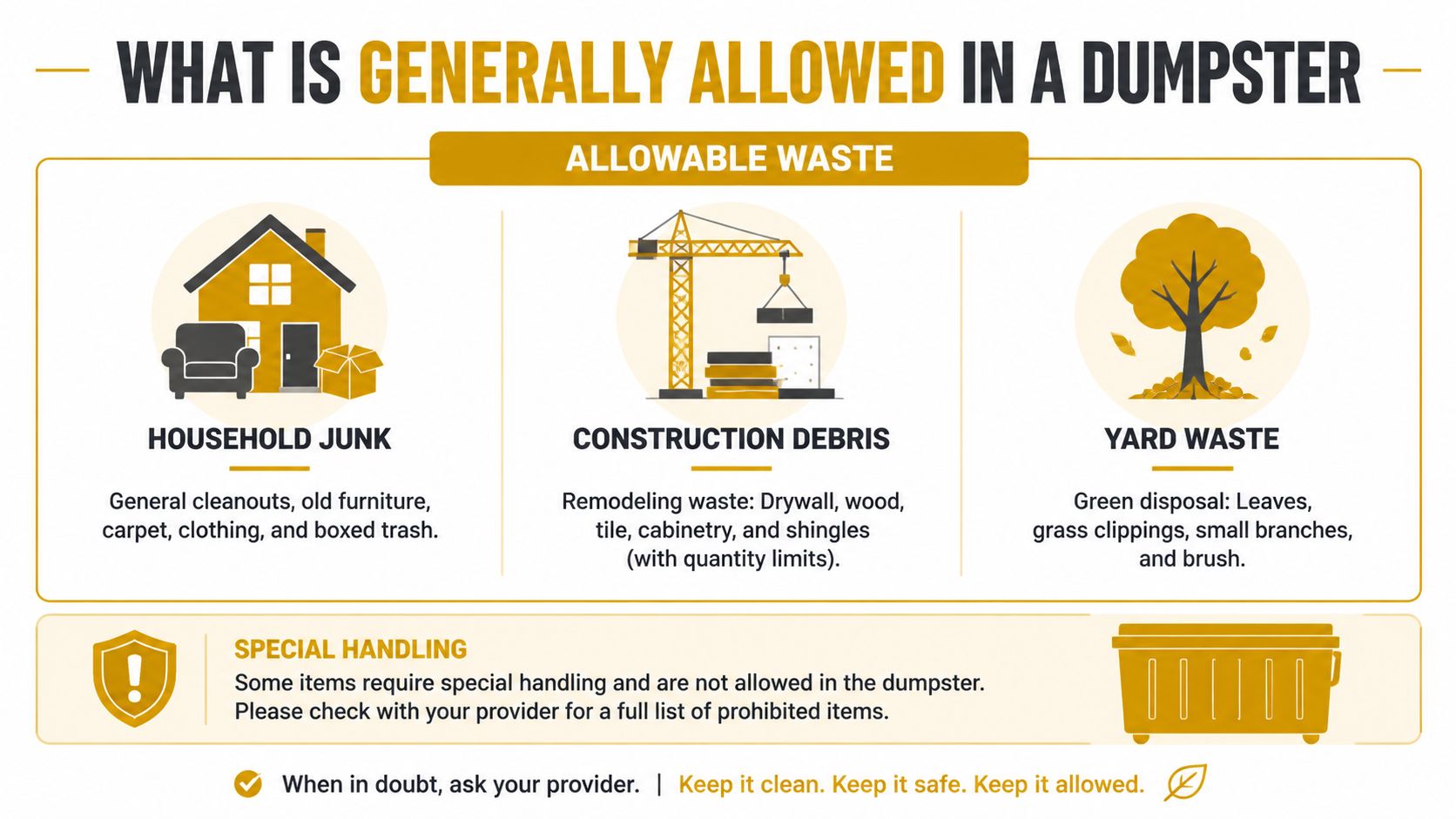
The yes list most crews can rely on
Here’s the material that usually belongs in the container.
- Household junk: Bagged trash from a cleanout, old clothing, toys, boxes, shelving, and general clutter.
- Furniture: Couches, chairs, tables, dressers, bed frames, and similar bulky items.
- Remodeling debris: Drywall, tile, flooring, cabinets, wood trim, doors, siding, and roofing material where allowed by the rental terms.
- Yard waste: Brush, leaves, branches, and stumps if the hauler accepts green waste in that specific container.
- Non-hazardous construction debris: Clean lumber, broken drywall, packaging, non-treated trim, and similar dry material.
That’s the broad rule. The details still matter.
Items that are allowed, but only if you handle them right
Some materials are commonly accepted only after you take one extra step.
| Item | Usually acceptable | What to check first |
|---|---|---|
| Appliances | Yes | Remove or certify removal of Freon where applicable |
| Roofing debris | Often | Confirm material type and weight limits |
| Flooring | Yes | Watch for weight if it’s tile, mortar, or dense material |
| Yard waste | Often | Don’t mix if the hauler wants a clean green load |
| Concrete pieces | Sometimes | Verify weight allowance and whether clean-loading is required |
Appliances are the classic example. A metal stove or washing machine may be fine. A refrigerator or air conditioning unit is different because refrigerants trigger special handling requirements. Don’t guess.
What contractors usually overlook
The material itself may be allowed, but the condition may not be. Drywall is fine. Drywall soaked with chemical residue is a different conversation. Clean concrete chunks may be accepted in a heavy debris load. Wet concrete washout is not the same thing.
Keep this distinction in mind. A dumpster rental is for solid waste, not whatever happened to end up in a wheelbarrow at cleanup.
A few field habits make life easier:
- Break down bulky items: Cut long trim, flatten boxes, and reduce air space.
- Keep prohibited materials out from the start: Don’t create a mixed pile beside the dumpster and sort it later.
- Ask before loading dense debris: Brick, concrete, dirt, and roofing can turn a normal container into a weight problem fast.
- Use one container for one purpose when possible: A clean load is easier to price, haul, and process.
If you want the shortest safe answer to what can you put in a dumpster rental, it’s this: common junk, dry remodel debris, and approved yard waste are usually fine. Materials with chemicals, liquids, or special disposal requirements need a different plan.
Properly Loading Your Dumpster for Safety and Efficiency
What goes in the dumpster matters. How you load it matters just as much. A legal load can still become a pickup problem if it’s unbalanced, piled too high, or packed in a way that shifts during transport.
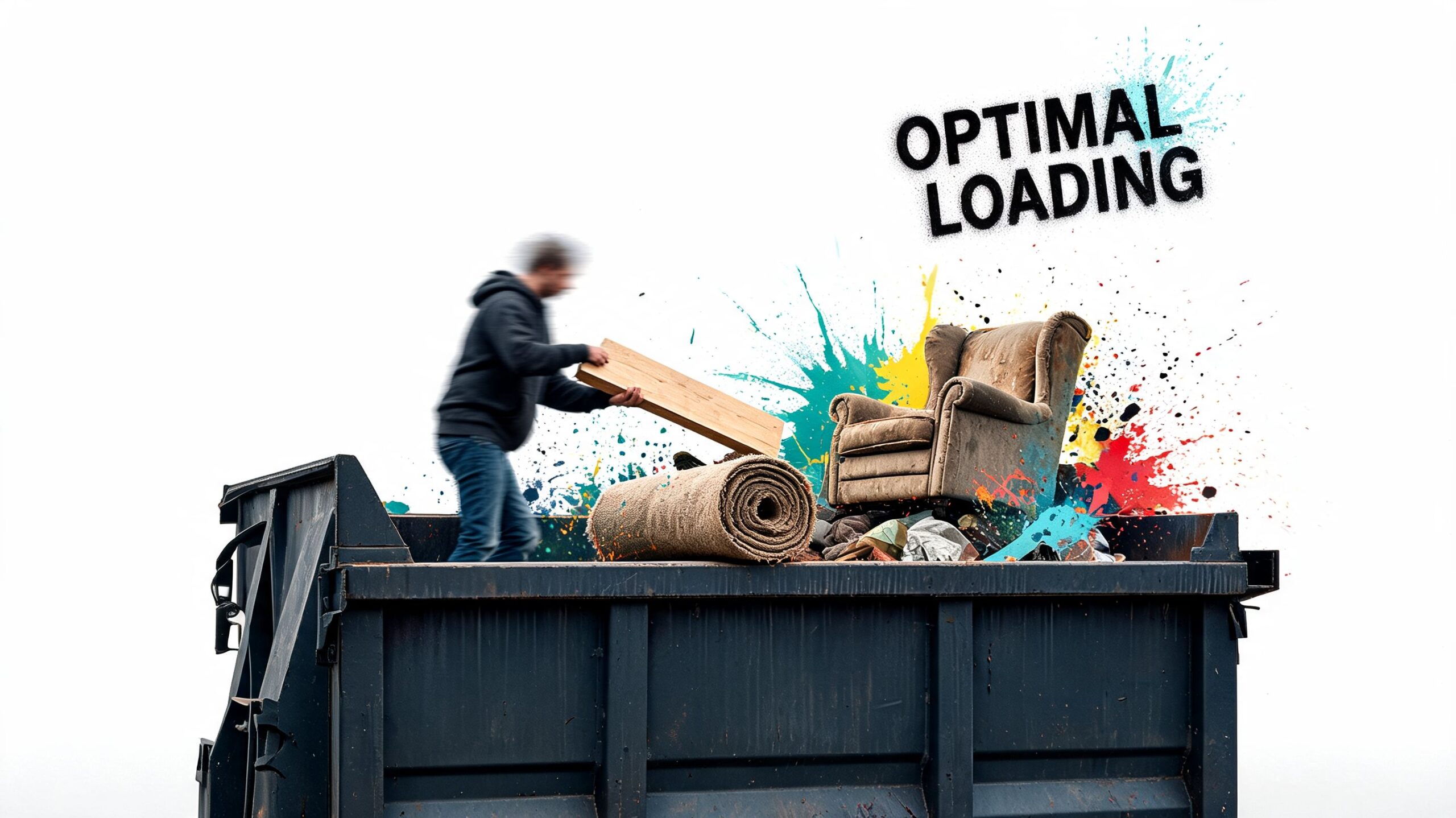
Loading a dumpster is similar to loading a truck. Heavy material goes low. Weight gets spread across the floor, not stacked on one end. Light, bulky debris fills the top and the gaps.
Load heavy items first
Start with the dense stuff. That means broken cabinets, wood, tile, masonry, or furniture frames. Place those across the bottom and distribute them side to side.
If you dump all the weight near the door or all the way in the nose, you create two problems. The container can haul poorly, and the crew ends up fighting the load while trying to finish filling it.
Respect the top rail
The fill line is not a suggestion. If debris sticks up over the top, the driver may not be able to tarp it safely for transport. Even if the material seems light, overfilled containers create road hazards.
A good rule on mixed loads is to stop while you still have room to level the top. Don’t build a peak in the middle and hope it settles.
A dumpster should leave the site with a flat, contained load. If material can blow out, slide off, or block tarping, it’s not ready for pickup.
Don’t bury problems
It’s common to see crews toss questionable items in first and cover them with clean debris. That doesn’t solve anything. It just turns a simple correction into a contaminated load.
Use this quick loading sequence instead:
- Stage the pile first: Separate heavy debris, bulky items, and anything questionable.
- Build a base layer: Spread dense material evenly across the bottom.
- Fill voids smartly: Slide smaller debris into open spaces instead of throwing everything on top.
- Finish with lighter material: Trim, cardboard, and bagged non-hazardous trash can level out the load.
- Walk the perimeter before pickup: Look for anything sticking over the rail or any prohibited item somebody snuck in late.
Site habits that save time
Keep access clear around the container. Don’t park equipment where the driver needs to back in or hook the box. Close doors and gates when they’re not in use. If the dumpster has a swing door, latch it properly. A clean pickup starts long before the truck arrives.
Understanding Prohibited and Hazardous Materials
The banned list exists for a reason. Prohibited items can leak during hauling, react with other waste, contaminate disposal facilities, or trigger environmental violations. Most of the time, the issue isn’t the object itself. It’s what happens when that object gets crushed, punctured, or exposed to heat and rain inside a mixed load.
Materials commonly prohibited include paints, solvents, antifreeze, motor oil, pesticides, batteries, and fluorescent lamps because containers can break and leak during transport, creating safety and contamination risks under rules such as the U.S. RCRA framework, as described by Elite Disposal Services.
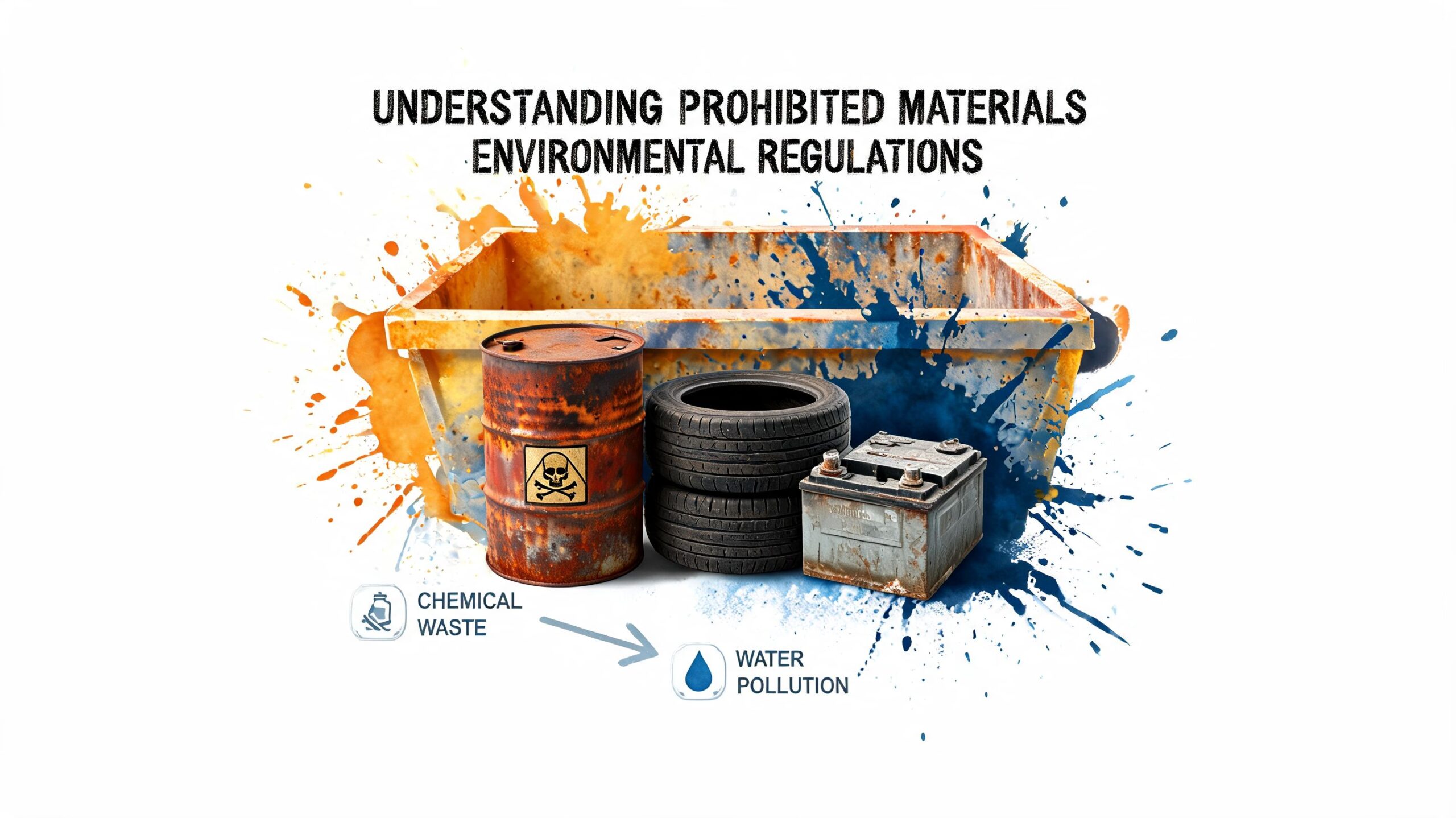
Hazardous and liquid materials
The fastest way to think about prohibited waste is to sort it by risk.
- Leak risk: Paint, oil, antifreeze, solvents, and pesticides
- Chemical or heavy metal risk: Batteries, fluorescent lamps, regulated cleaners
- Pressure or fire risk: Fuel containers, flammables, pressurized cylinders
- Biological or regulated waste risk: Medical waste and similar materials
Even a half-empty can is still a problem if it can rupture. Saturated rags can also be restricted because the liquid content matters, not just the rag.
Special items that need separate handling
Some things aren’t always “hazardous” in the way crews think about chemicals, but they still don’t belong in a standard dumpster.
| Material | Why it’s a problem | Better approach |
|---|---|---|
| Tires | Difficult for landfill processing | Use a tire recycler or designated facility |
| Electronics | Managed through dedicated e-waste channels | Take to an approved e-waste program |
| Appliances with refrigerant | Refrigerant requires removal first | Send to a processor after proper service |
| Batteries | Can leak or create fire risk | Recycle through battery collection programs |
Jobs get sloppy when someone sees one old tire, one dead battery, or one shop light and assumes it won’t matter in a large load. It matters.
Why the rules feel stricter than they used to
Transfer stations and landfills inspect loads. Haulers inspect loads. If they see a problem item, they may reject the container or require remediation before disposal. That means delay, sorting, extra labor, and charges you could have avoided by keeping a separate pallet or tote on site for restricted waste.
If you wouldn’t want the material crushed under a skid steer and dripping across the bed of a truck, keep it out of the dumpster.
When in doubt, ask one direct question: is this material dry, solid, and non-hazardous in its current condition? If the answer is no, route it elsewhere.
How to Avoid Hidden Fees and Overages
Most surprise charges come from three mistakes. The load is too heavy, the wrong material is mixed in, or the container can’t be hauled as loaded. You don’t fix those issues after pickup. You prevent them while the dumpster is still on site.
The biggest money leak on construction work is heavy debris loaded like general trash. Concrete, brick, dirt, roofing, and wet material can turn a normal rental into an overage bill fast.
Clean-loading pays when the material is dense
If you’re dealing with concrete or similar heavy material, clean-loading a dumpster with a single material like concrete can yield 20 to 50 percent discounts via recycling credits, while overloading with wet material can lead to overage fees that are often around $100 per ton, according to Sourgum’s guide to what can and can’t go in a dumpster.
That’s why mixed heavy loads are a bad habit. When concrete is blended with wood, trash, and wet residue, the hauler loses the clean recycling path and you lose pricing advantages.
The cheapest load is the one you can predict
Crews usually get in trouble when they use one container for everything because it feels faster. It isn’t. It makes weight unpredictable and pricing fuzzy.
A better field approach looks like this:
- Use separate containers or separate disposal plans for heavy debris: Concrete, brick, and masonry shouldn’t ride with light demo waste unless the hauler says so.
- Keep wet material out: Water adds weight and creates handling issues.
- Watch the last hour of the job: That’s when people toss in the oddball items that trigger contamination charges.
- Don’t assume “one more bucket” is harmless: Dense debris adds up quickly.
The fees nobody plans for
Overage fees get the attention, but they aren’t the only issue. Jobs also run into charges when the driver can’t access the container, when prohibited material has to be pulled out, or when the load is above the rail and unsafe to transport.
Here’s the practical difference between good loading and expensive loading:
| Job habit | Likely result |
|---|---|
| Single-material heavy load | Easier weight planning and possible recycling credit |
| Mixed heavy debris and trash | Harder disposal path and more risk of overage |
| Wet debris in a general container | Higher weight and possible rejection |
| Last-minute toss-in of restricted items | Contamination problem and delay |
You don’t need a complicated waste plan to avoid most of this. You need discipline. Pick a container purpose, keep the crew on that rule, and inspect the load before you call for pickup.
Special Considerations for Construction Waste
Construction sites produce the kind of waste that creates gray areas. Drywall and lumber are easy. Concrete washout, slurry, and muddy cleanup residue are not. For these, the standard yes-or-no dumpster list stops being useful.
The biggest misconception on concrete jobs is thinking all concrete waste is the same. It isn’t. Dry, broken concrete is one thing. Wet slurry and washout are another.
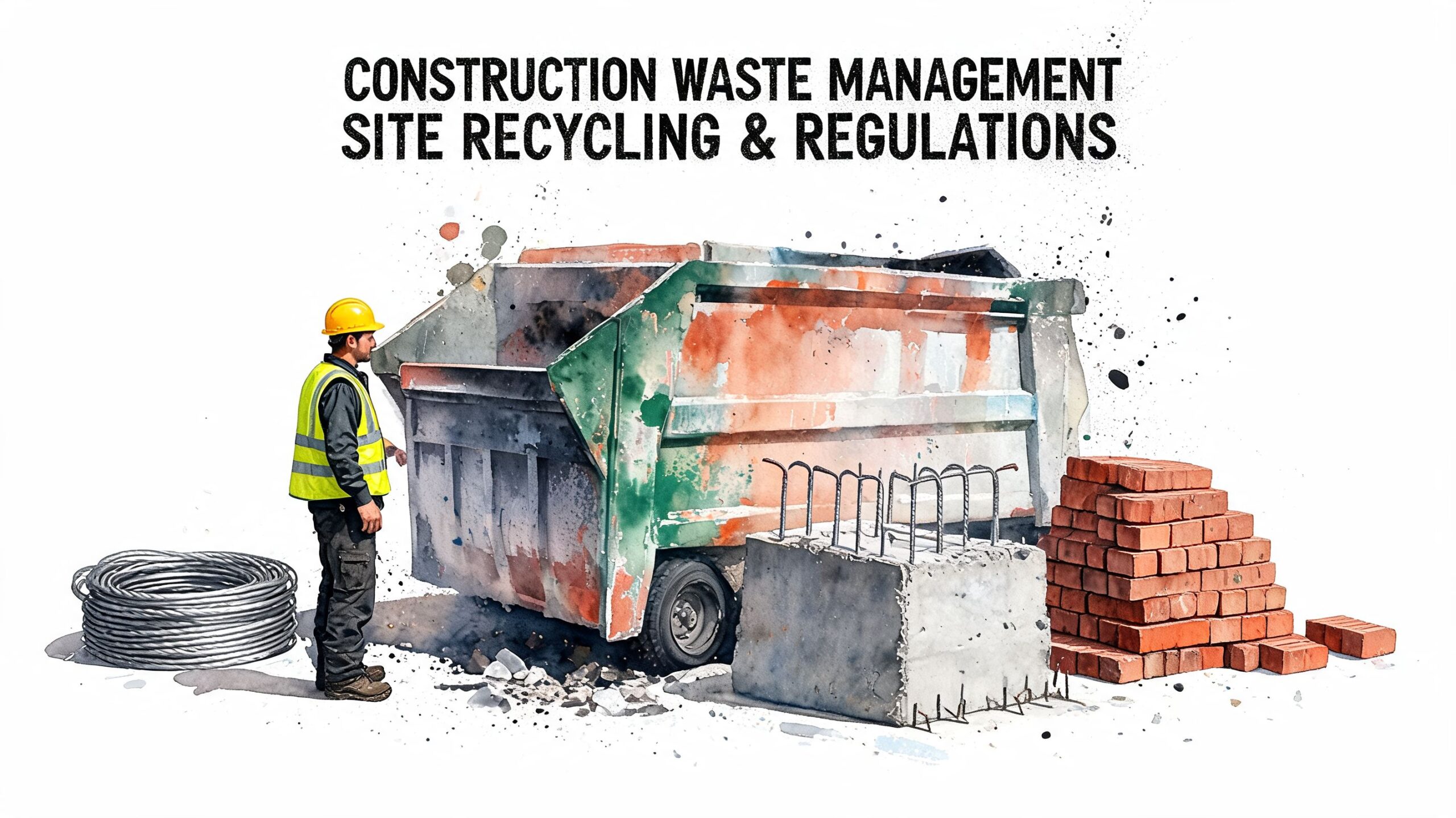
Dry concrete is not wet washout
Handling concrete slurry in a standard dumpster is a major compliance gap. Its high pH of 12.5 to 13 makes it a prohibited liquid, and improper disposal accounted for 15% of EPA construction fines between 2023 and 2025, according to Lift Waste’s discussion of dumpster disposal rules.
That’s why crews get burned when they treat washout like heavy debris. A chunk of cured slab is solid waste. Fresh washout water, slurry, and cement-laden residue are still active material with liquid behavior and environmental risk.
Where crews go wrong
The common failure points are familiar:
- Wheelbarrow dump into the roll-off: Fast in the moment, risky later.
- Letting slurry sit in the dumpster “to dry out”: That may still violate site and disposal rules depending on timing and condition.
- Mixing washout residue with general demo debris: Now you’ve contaminated a load that might otherwise have been straightforward.
- Ignoring stormwater controls: Washout handling often ties directly to SWPPP obligations.
The issue isn’t just what the landfill says. It’s what leaves the site, where runoff can go, and whether your waste handling matches the project’s environmental controls.
Wet concrete washout needs containment, not improvisation.
What works better on active sites
The clean approach is to treat washout as its own waste stream. That means planning containment before the pour starts, placing it where crews can use it, and keeping it separate from general debris.
For site managers and foremen, the practical checklist is simple:
- Identify washout points before concrete arrives
- Give crews a designated place for slurry and rinse-out
- Keep standard dumpsters for dry, solid debris only
- Inspect the area after pours, not just at final cleanup
- Use specialized containment when the material is still wet or semi-liquid
This is the point where a standard dumpster stops being the right tool. On concrete-heavy work, specialized containment isn’t overkill. It’s what keeps the site compliant and keeps the waste stream clear.
Frequently Asked Questions About Dumpster Rentals
The jobs that go smoothly usually follow the same pattern. Crews separate waste early, keep liquids and regulated materials out, load heavy debris carefully, and don’t ask a general dumpster to solve every disposal problem on site. That’s the working answer to what can you put in a dumpster rental. If it’s dry, solid, and non-hazardous, it’s usually in the safe zone. If it leaks, reacts, or needs special handling, it needs a different path.
A few questions come up on almost every project.
Can I mix yard waste with household junk
Sometimes, but don’t assume. Some haulers accept mixed loads, while others want yard waste kept separate so it can go to a different processing stream. If you’ve got a lot of branches, leaves, or stumps, ask before loading. Mixing green waste with general junk can remove cleaner disposal options.
Can I throw old electronics in a dumpster
Usually no. Electronics are commonly handled through dedicated e-waste programs rather than standard dumpster disposal. If you’re cleaning out an office, shop, or residence, set aside computers, monitors, TVs, and similar devices early so they don’t get buried in the load.
What about mattresses
This varies by provider and disposal facility. Some accept them, some charge extra, and some want them kept separate. If you’re dealing with a cleanout that includes multiple mattresses or box springs, verify the rule up front instead of finding out at pickup.
Can I toss paint cans if they’re almost empty
Don’t assume “almost empty” is good enough. Liquid-containing materials are one of the most common causes of rejection. Some providers may accept fully dried, solidified paint, but partially full cans and wet products are a different matter. Treat paint, solvents, and similar products as restricted unless the hauler specifically tells you otherwise.
Can appliances go in the dumpster
Some can. Appliances that contain refrigerants need extra handling before disposal. Basic metal appliances may be accepted more easily, but it’s still smart to confirm before loading, especially on mixed cleanout jobs.
Can I put brick, dirt, or concrete in any roll-off
No. Heavy debris needs special planning because weight changes the whole rental. Some containers are meant for general debris, while others are priced and routed for dense material. If you’re doing demo that includes masonry or slab removal, tell the rental company exactly what you’re loading.
Do I need to load the dumpster a certain way
Yes. Put heavy material on the bottom, spread weight evenly, and keep debris below the top rail. Don’t create a load that sticks up, shifts, or blocks safe tarping. A legal material can still become an unsafe haul if it’s loaded badly.
Can I put concrete slurry in a dumpster if it dries later
That’s the kind of shortcut that causes trouble. Wet slurry and washout should be treated as a separate waste stream. If the material is still wet or semi-liquid when handled, use dedicated containment instead of a general debris dumpster.
What if I’m not sure about one item
Stop and ask before loading. That call takes less time than unloading a contaminated container or dealing with a rejected pickup. On busy jobs, one questionable item usually means there are more nearby, so it’s worth checking the whole area.
If your project includes concrete washout, slurry, or cleanup residue that doesn’t belong in a standard dumpster, Reborn Rentals gives crews a cleaner way to contain it. Their rental lineup is built for concrete washout containment, with clear upfront pricing, straightforward scheduling, and equipment designed for the waste stream that causes the most confusion on active sites.