
Where to Wash Out Concrete Trucks Legally on Colorado Jobsites
Under Colorado Department of Public Health and Environment (CDPHE) stormwater regulations and federal EPA standards, washing out ready-mix concrete chutes or pump hoppers directly onto the ground, into unlined earthen pits, or near municipal drainage networks is illegal. All concrete slurry and washout water must be captured inside a watertight, leak-proof containment structure placed at least 50 feet away from storm drains, drainage swales, and site perimeters.
Table of Contents
- Key Takeaways
- Colorado Regulations for Ready-Mix Washout
- Can Concrete Trucks Wash Out on Compacted Base Course?
- Jobsite Setback Requirements and Placement Rules
- Discharge Mechanics: Matching Containment to Agitator Trucks and Pumps
- Pan Selection: 310-Gallon vs. 441-Gallon Containment
- Stormwater Violations, Fines, and Inspection Protocols
- Frequently Asked Questions
Key Takeaways
- Washing out ready-mix truck chutes directly onto raw dirt, gravel, or prepared subgrade violates CDPHE and EPA stormwater permits.
- Washout facilities must maintain a strict 50-foot setback from storm drain inlets, roadside gutters, culverts, and property boundaries.
- Compacted base course does not constitute containment; high-alkaline slurry compromises aggregate compaction and leaches directly into groundwater.
- Discharge method determines container height: ready-mix gravity chutes and pump trucks require low-profile containers (14-inch rim) to eliminate ramps and spillage.
- An uncontained chute rinse reaching a municipal storm sewer triggers mandatory reporting as an illicit discharge, carrying statutory daily civil penalties.
Colorado Regulations for Ready-Mix Washout
When concrete cures, the chemical reaction of hydration binds Portland cement, water, and aggregate into solid concrete. During this reaction, soluble calcium hydroxide releases into the mix water. Fresh concrete slurry and chute rinse water routinely register a pH between 12.0 and 13.0. For perspective, battery acid has a pH of 1.0, household bleach sits at 12.5, and standard clean runoff ranges between 6.5 and 8.5.
Because caustic water corrodes drainage infrastructure, kills aquatic organisms, and leaches heavy metals such as chromium into local soil, environmental agencies regulate washout fluid under industrial waste and stormwater frameworks. In Colorado, construction projects disturbing one or more acres must secure a Colorado Discharge Permit System (CDPS) General Permit for Stormwater Discharges Associated with Construction Activities through the CDPHE Water Quality Control Division.
This permit explicitly bans concrete washout from contacting groundwater or discharging offsite. Your site Stormwater Pollution Prevention Plan (SWPPP) must designate engineered containment as a structural BMP (Best Management Practice). Rinsing even a minor chute load into raw soil constitutes an uncontrolled discharge under state enforcement rules.
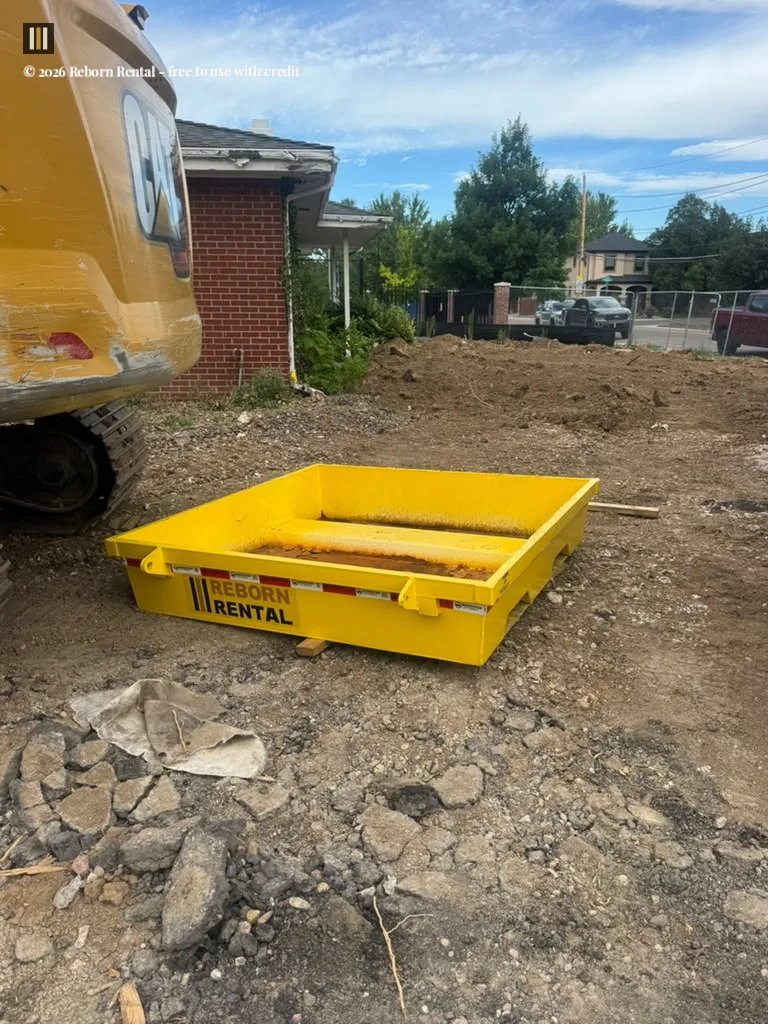
Can Concrete Trucks Wash Out on Compacted Base Course?
A common jobsite assumption is that dumping wash water onto a compacted base course, subgrade, or prepared driveway pad is acceptable because it will later be covered by a slab or an impervious surface such as asphalt. From a regulatory and geotechnical standpoint, this practice is completely unacceptable.
Crushed aggregate base possesses significant hydraulic conductivity. Instead of holding caustic water on the surface, compacted aggregate allows unhydrated cement slurry and chemical washouts to filter down through void spaces. This results in direct infiltration into the native soil subbase and shallow water tables.
Beyond environmental liability, dumping rinse water on your base course harms your foundation prep:
- Subgrade Softening: Saturating a graded aggregate base with dozens of gallons of wash water reduces the California Bearing Ratio (CBR) and lowers overall bearing capacity, creating soft spots beneath structural slabs.
- Uncontrolled Chemical Contamination: Water mixed with an admixture—such as set retarders, accelerators, or an air-entraining admixture—alters the compaction and chemical binding characteristics of the aggregate base.
- Subsurface Channeling: Uncontrolled wash fluid erodes fines out of the aggregate matrix, ruining uniform gradation (aggregate gradation) and compromising the structural base before pour inspection.
Jobsite Setback Requirements and Placement Rules
Placing a washout area requires balance: it must sit close enough to active pour zones so ready-mix drivers actually use it, yet far enough from vulnerable points to prevent environmental spills. Colorado municipal MS4 (Municipal Separate Storm Sewer System) inspectors and CDPHE compliance officers look closely at separation distances.
Containment pans must sit on flat, stable ground at least 50 feet away from any storm drain inlet, roadside bar ditch, irrigation canal, wetland, or receiving stream. If a tight urban site footprint makes a 50-foot buffer impossible, your site superintendent must install physical redundancy. This requires secondary perimeter berms, silt fence, and complete inlet protection—such as sediment logs, gravel bags, or fabric inserts—around every downhill storm inlet within reach.
When placing containers on site, follow these baseline positioning rules:
- Level Pad: Place the containment unit on level ground with less than a 2% slope to prevent capacity reduction or sloshing during high-discharge pours.
- Hard-Surface Buffer: Avoid setting empty pans directly on steep paved declines where accidental overflow could instantly travel down a gutter pan into an inlet.
- Clear Maneuver Zone: Keep a clear 30-foot backing lane free of construction materials so that any ready-mix agitator (mixer truck) or concrete pump can back directly up to the containment rim without crossing unfinished earth or curbs.
- Protection from Traffic: Post clear signage marking the concrete washout station. Protect the pan perimeter with traffic cones or concrete ecology blocks so site excavators, skid steers, and material delivery flatbeds do not crush the containment walls.
Discharge Mechanics: Matching Containment to Agitator Trucks and Pumps
Concrete contractors deal with two main cleanup scenarios: gravity chutes on ready-mix agitator drums and heavy washout volume from commercial pumping rigs. Selecting the right containment style depends entirely on how concrete equipment dumps rinse water.
A standard mixer truck carries fold-down chutes with a fixed slope. If your washout container rim sits too tall, the driver cannot swing the chute over the edge without setting up wooden ramps or driving onto elevated berms. Ramps crack under truck axle weights, shift over time, and cause slurry spills along the approach. Earthen dug pits present an even worse alternative: plastic liners rip under falling aggregate, backhoes puncture the bottom during cleanouts, and the site ends up with buried environmental liabilities.
Trailer-mounted line pumps and large boom pumps present different challenges. A line pump cleans out dozens of feet of flex hose, while a boom pump discharges concrete waste directly from its low-profile hopper. Both require containment low enough to slide directly beneath the discharge point, avoiding messy transfers, hose spills, and manual shoveling.
Relying on purpose-built, watertight steel containers eliminates the structural failures common to poly-lined pits or disposable paper containers. When you rent concrete washout pans built from heavy-gauge, leak-proof steel, you provide pour crews with an immovable, fully compliant target that inspectors approve immediately.
Pan Selection: 310-Gallon vs. 441-Gallon Containment
Pan choice comes down to one variable: your discharge method. Choosing the wrong wall height leads to rim impacts, damaged chutes, or messy overflows. Reborn Rental provides two standardized steel pan capacities engineered specifically for Colorado jobsites.
The 310-Gallon ‘Small’ Pan (Low-Profile Rear-Hopper Discharge)
Measuring 72″ × 72″ × 14″, the 310-gallon Small washout pan is engineered specifically for low-clearance discharges. At just 14 inches tall, ready-mix gravity chutes easily clear the top rim without requiring ramps, earth mounds, or cribbing blocks. Pumping crews can back directly over the pan or place line-pump hoppers flush against the container edge.
- Best Applications: Pumping operations, concrete boom trucks, tight residential infill lots, multi-family podium decks, and projects with restricted physical access.
- Footprint & Capacity: 72″ length by 72″ width by 14″ depth; 310-gallon volume (holds approximately 1.5 cubic yards of solid slurry material).
- Rental Rates: $26 per day, $140 per week, or $532 per 4-week billing cycle. No long-term contract required.
The 441-Gallon ‘Large’ Pan (High-Capacity Pour Work)
Measuring 72″ × 72″ × 24″, the 441-gallon Large washout pan offers 42% more containment depth. It is built for commercial slabs, continuous paving, and heavy structural civil placements where multiple trucks cycle through the wash station daily.
- Best Applications: High-volume commercial flatwork, multi-truck pours, warehouse distribution floors, CDOT highway structures, and large foundation jobs.
- Footprint & Capacity: 72″ length by 72″ width by 24″ depth; 441-gallon volume (holds roughly 2.2 cubic yards of solid concrete material).
- Rental Rates: $29 per day, $175 per week, or $588 per 4-week billing cycle. No long-term contract required.
When containers reach capacity, ongoing job progress requires prompt exchange. Our dedicated concrete washout swap and disposal service operates on a flat-rate schedule: $300 per pan within the C-470 loop, $8.99 per mile beyond C-470, and custom quotes for long-haul sites over 200 miles.
Stormwater Violations, Fines, and Inspection Protocols
Allowing wash water to spill across dirt, run into a gutter, or escape into an open drain triggers immediate legal enforcement. The EPA and local Colorado municipalities treat uncontrolled concrete wash water as an illicit discharge under Clean Water Act rules.
“Discharges of concrete washout to surface waters, storm sewer systems, or ground without a specific state permit violate both federal and state water quality statutes. Daily penalties compound for every continuous calendar day the discharge goes uncorrected.”
Penalties and enforcement actions fall into three categories:
- CDPHE and EPA Statutory Fines: Under federal and Colorado clean water acts, civil penalties for unpermitted discharges exceed $10,000 to $37,500+ per day per violation depending on the severity and whether runoff entered waters of the state.
- Stop-Work Orders: Local city and county stormwater inspectors (including Denver, Aurora, Lakewood, and Colorado Springs building authorities) will issue red-tag stop-work orders on pours. Concrete pours halt immediately until the site superintendent cleans the spill, removes contaminated subgrade, and proves containment is on site.
- Mitigation and Environmental Remediation: If high-pH wash enters a storm sewer line, the general contractor and concrete sub bear full financial liability for jetting the lines, vacuuming catch basins, and hauling contaminated water to permitted industrial treatment facilities.
Protect your jobsite, your margin, and your pour schedule by setting solid steel containment at every staging point before the first truck leaves the batch plant.
Frequently Asked Questions
Where is it legal to wash out a concrete truck chute on a jobsite?
It is only legal to wash out a concrete truck chute inside a designated, watertight, impermeable container or approved lined facility located at least 50 feet away from storm drains, drainage channels, gutters, and site boundaries. Washout onto raw ground, prepared subgrade, or unlined soil pits is prohibited across Colorado.
Can concrete trucks wash out directly onto a compacted base course?
No. Compacted aggregate base course is porous and allows caustic water to infiltrate directly into the subgrade and groundwater table. The wash water softens the base, reduces soil bearing capacity, disrupts uniform aggregate gradation, and violates state stormwater permits.
What are the penalties for washing out near an unprotected storm drain?
Washing out near an unprotected storm drain exposes the project to municipal stop-work orders, clean-up remediation expenses, and statutory civil penalties from the CDPHE or EPA that can reach thousands of dollars per day per uncontained discharge.
How far do you deliver from Denver?
We deliver throughout Colorado’s Front Range. Delivery and swap services are a flat $300 per pan inside the C-470 loop, $8.99 per mile beyond the C-470 boundary, and custom quotes for long-haul locations over 200 miles from Denver.
What payment methods do you accept?
We accept all major credit cards, Klarna, Apple Pay, Google Pay, and ACH transfers. We do not accept cash payments.
What is your cancellation policy?
Reservations can be canceled for free up to 5 business days before your scheduled drop date. Cancellations made within 5 business days incur a fee of 50% of the reservation value, excluding delivery charges.
For more answers regarding swap scheduling, site placement, and billing details, review our frequently asked questions page.
Not sure which pan fits your setup? Call us at (720) 734-9337 — we’ll talk through your pour layout and chute clearances, then quote you on the spot.